
Flooring company in the Bronx
Bronx floors, done properly from the base up
Plankora Flooring Bronx installs carpet, vinyl plank, tile, laminate and hardwood in prewar apartments, two-family houses, co-ops and detached homes across the Bronx.
- 5Boroughs covered
- 7Floor services
Why Plankora in the Bronx
Bronx floors have a lot of history under them
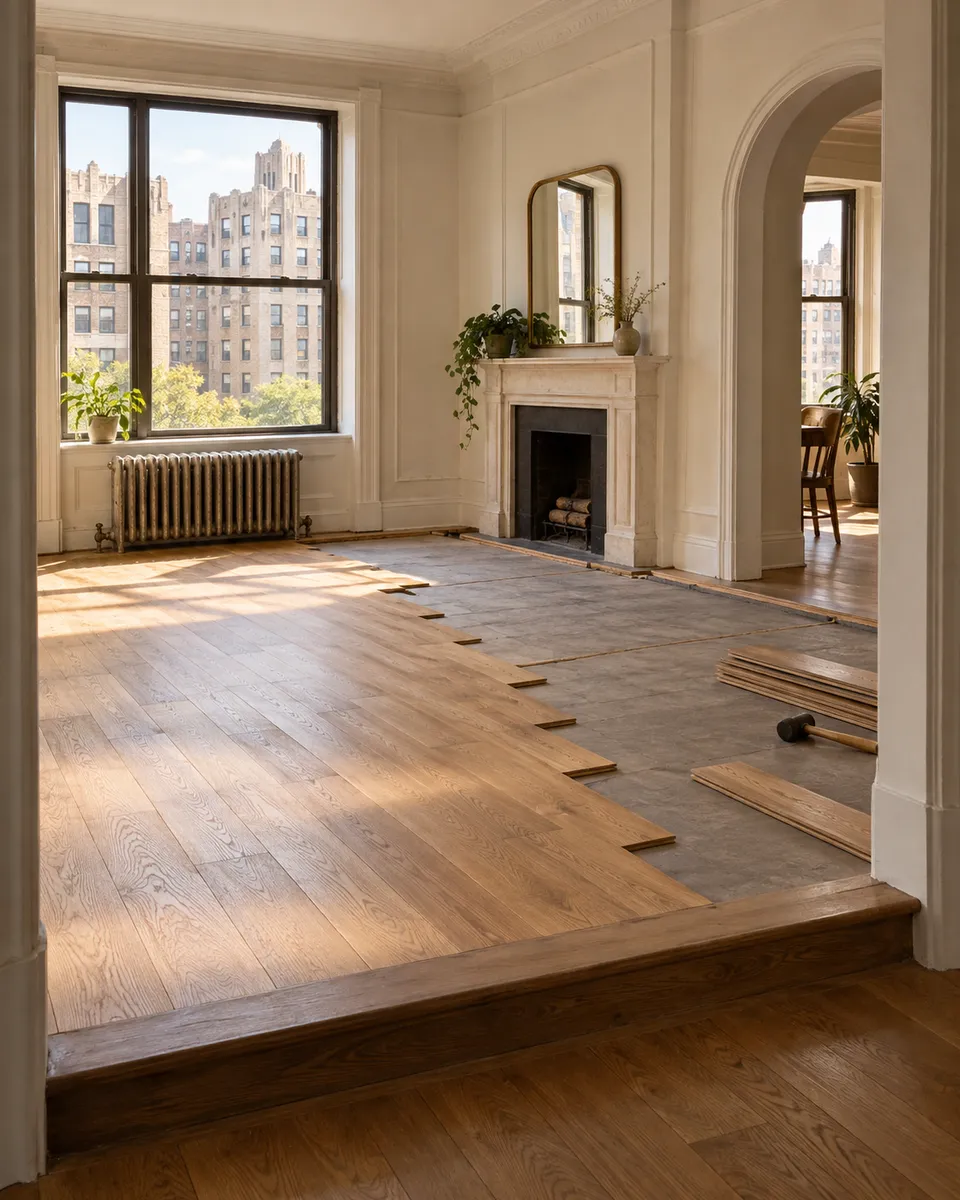
Much of the Bronx was built in the first half of the last century, and its floors show it. The big apartment buildings along the Grand Concourse and in Mount Eden have oak and parquet that has been covered, patched and sometimes covered again. The two-family houses of Wakefield and Williamsbridge have wood subfloors that have settled over the decades. What is under the floor decides how the new one should go down.
We take up what needs to come up, fix the base, and then install the floor that suits the room, whether that is carpet in a bedroom, vinyl plank in a kitchen or tile in a bathroom.
- We check under the old floor before we give a price
- We level floors that have settled with age
- We plan quiet floors for the people below
- We handle co-op and building paperwork
We measure each room and lift the old floor at an edge where we can. In a prewar building that often shows parquet under linoleum or carpet, and sometimes old tile that needs testing before it is disturbed.
Settled floors get leveled, loose boards get screwed down and weak spots get new plywood. It is the part of the job you never see and the part that makes the new floor last.
We lay the new floor, fit the trim and thresholds, clean up and walk it with you. We tell you when the room is ready for furniture.
What we do in the Bronx
Floors for Bronx homes
Carpet is the job most Bronx calls ask about. Every other floor we install is here too.
-
 Carpet in the Bronx
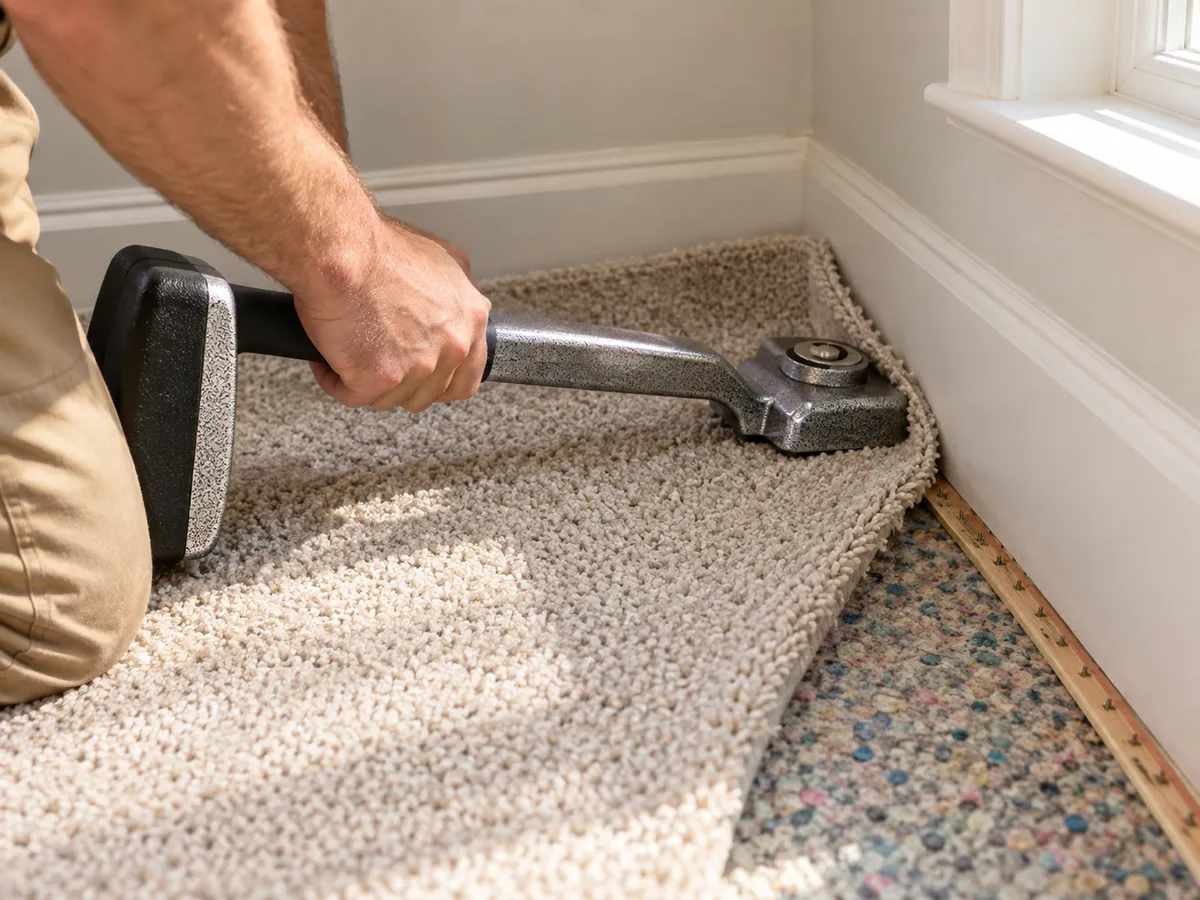
Bedrooms, living rooms and stairs, carpeted over a pad that keeps sound down.
See carpet in the bronx
Carpet in the Bronx
Bedrooms, living rooms and stairs, carpeted over a pad that keeps sound down.
See carpet in the bronx
-
 Luxury vinyl plank
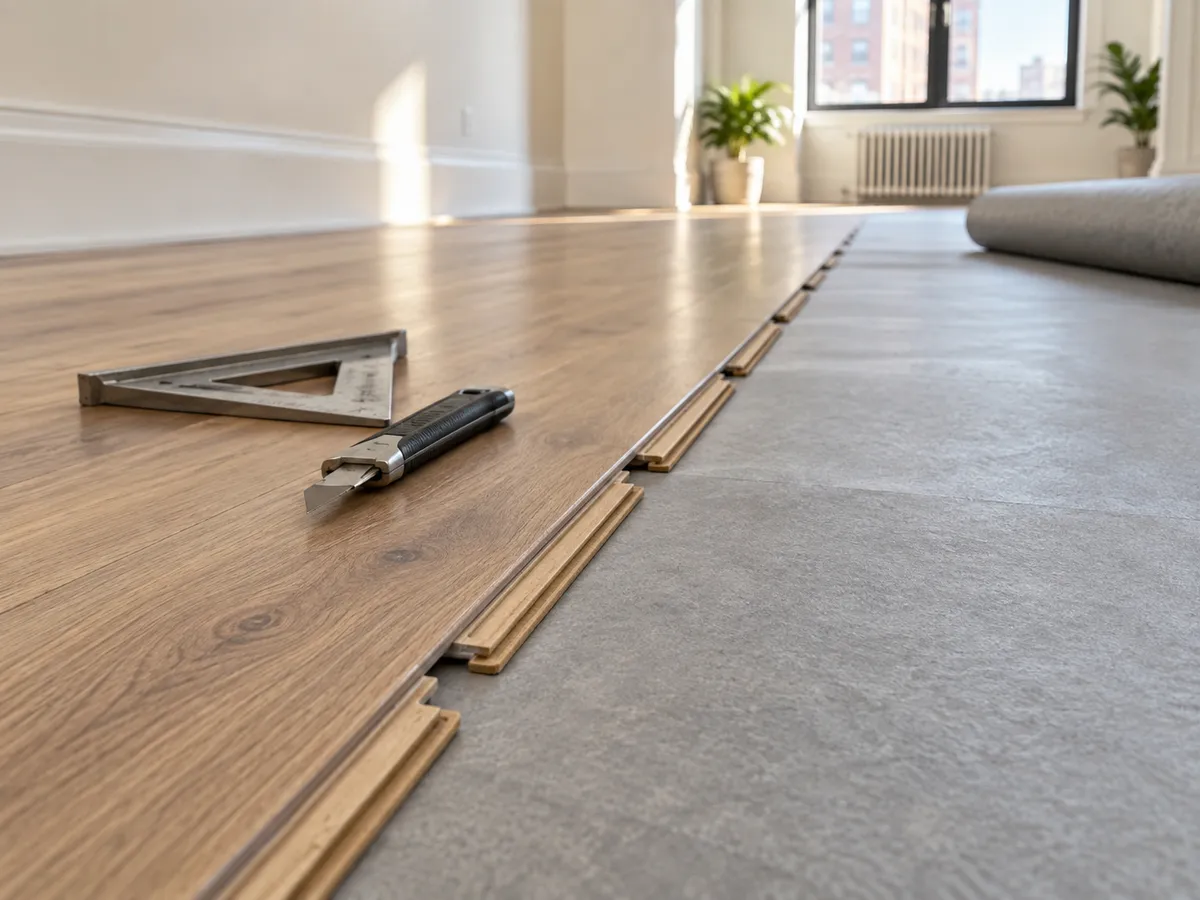
A wood look that handles kitchens, baths and busy halls.
See luxury vinyl plank
Luxury vinyl plank
A wood look that handles kitchens, baths and busy halls.
See luxury vinyl plank
-
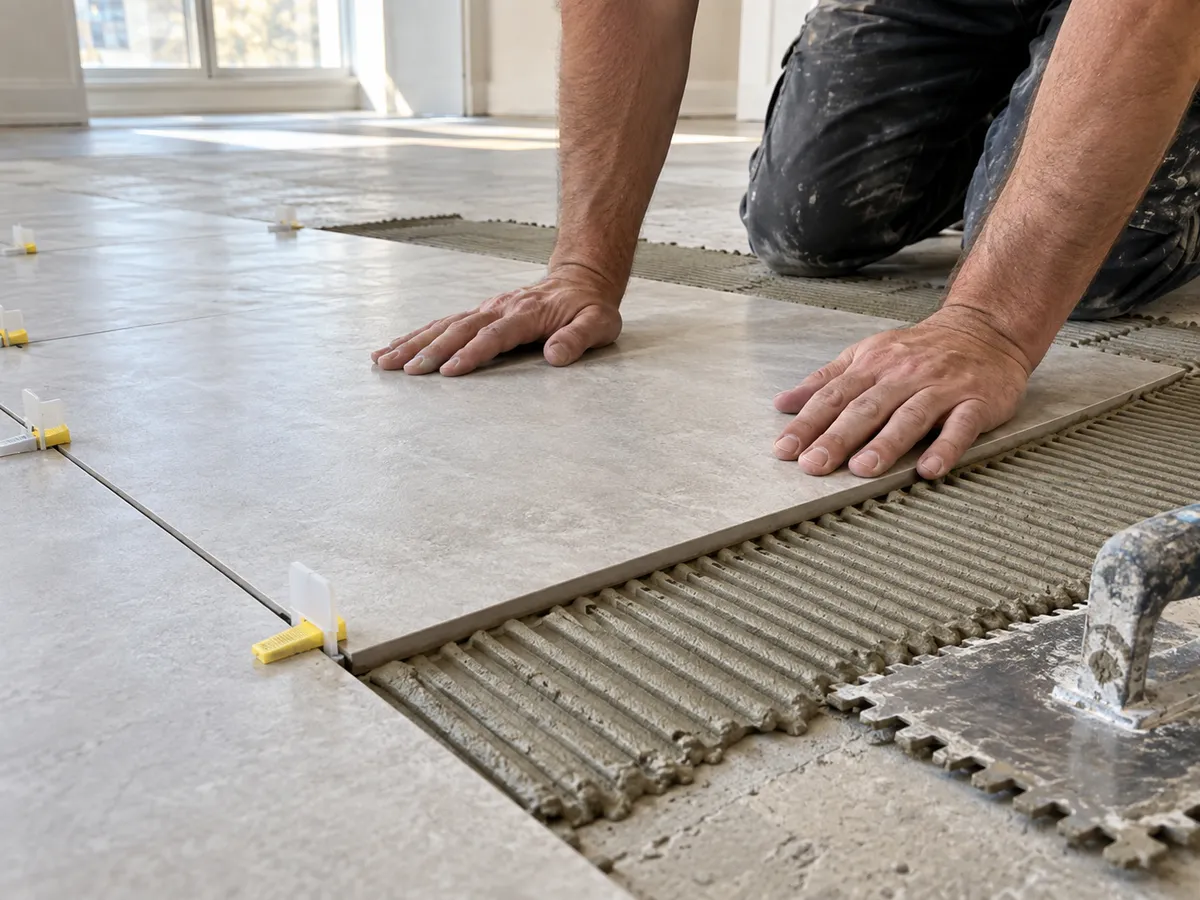 Floor tile
Bathroom and kitchen tile set on a base that will not flex.
See floor tile
Floor tile
Bathroom and kitchen tile set on a base that will not flex.
See floor tile
-
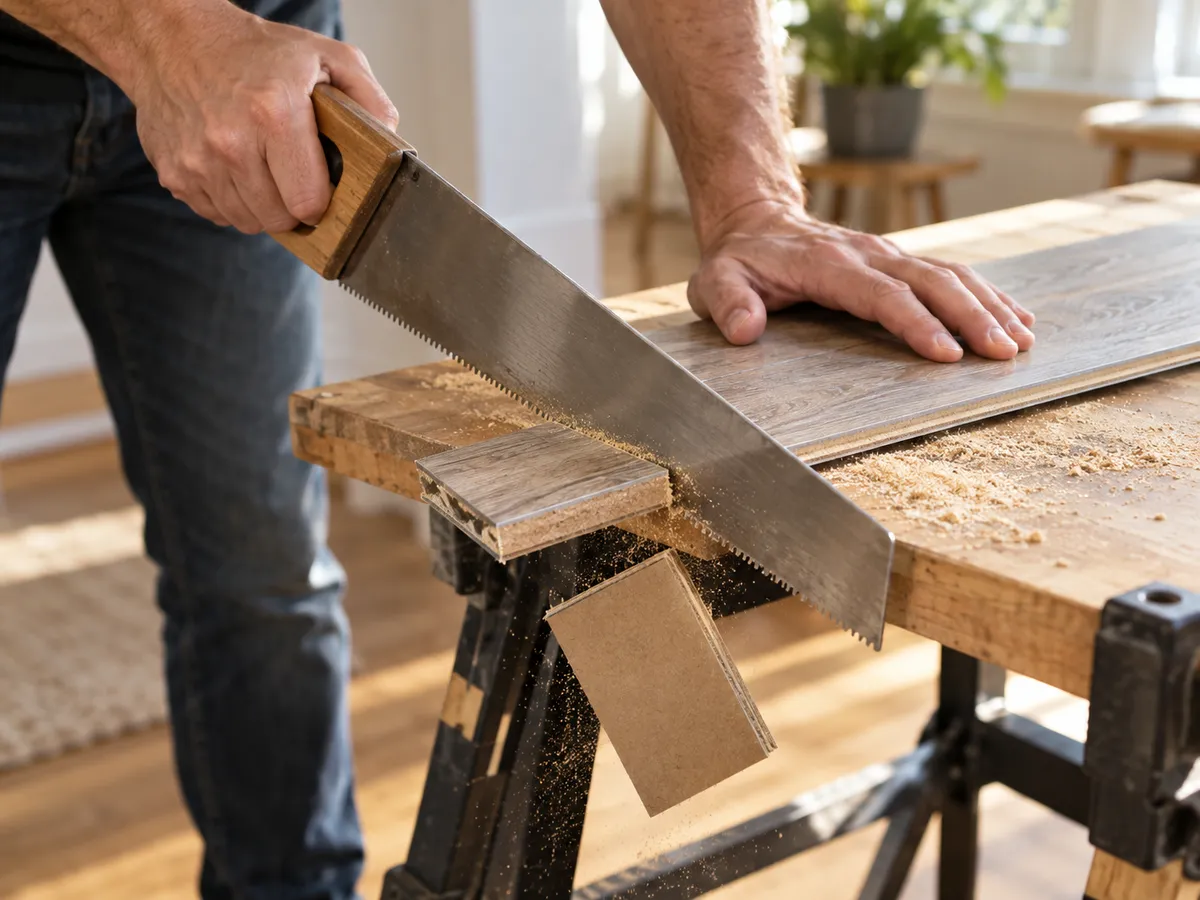 Laminate floors
A wood look that stands up to a busy family room.
See laminate floors
Laminate floors
A wood look that stands up to a busy family room.
See laminate floors
-
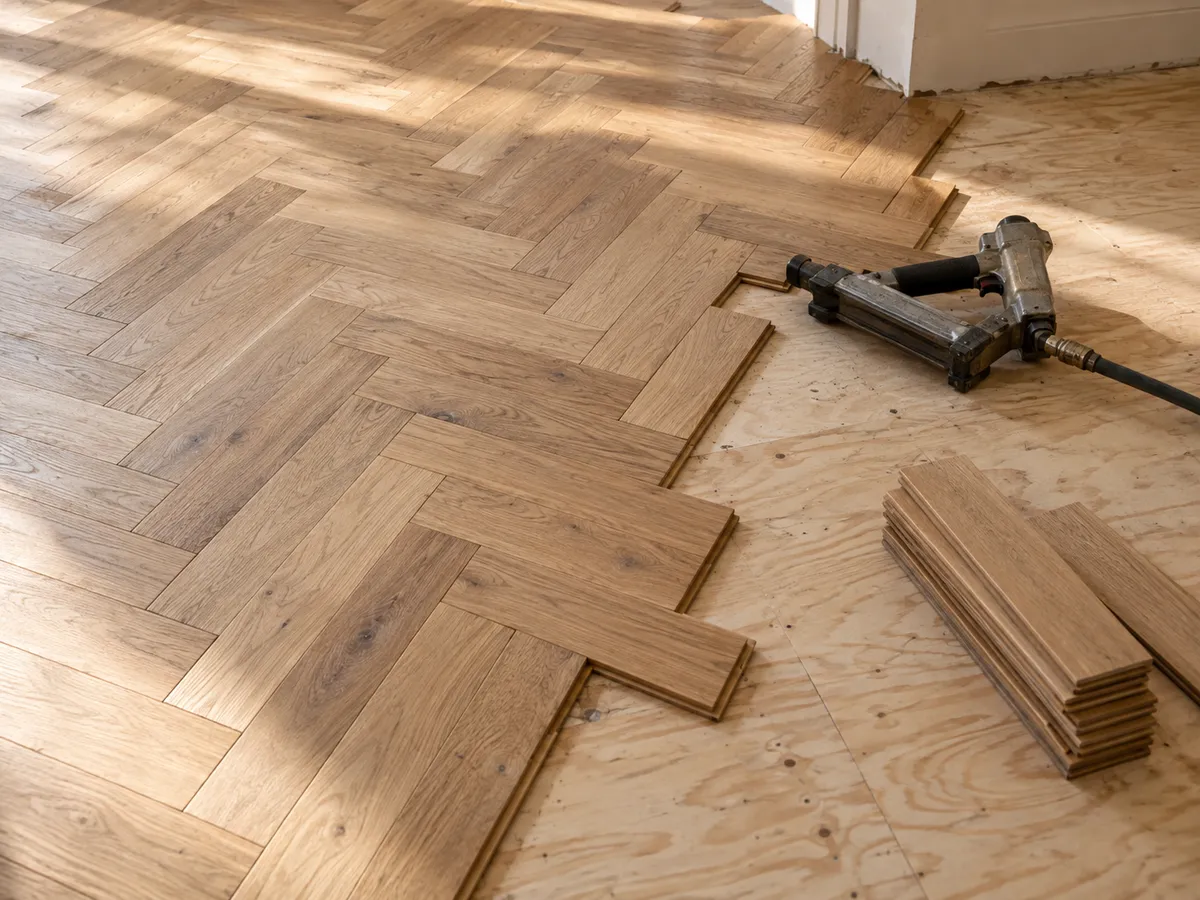 Hardwood floors
New oak and engineered wood for rooms that deserve it.
See hardwood floors
Hardwood floors
New oak and engineered wood for rooms that deserve it.
See hardwood floors
-
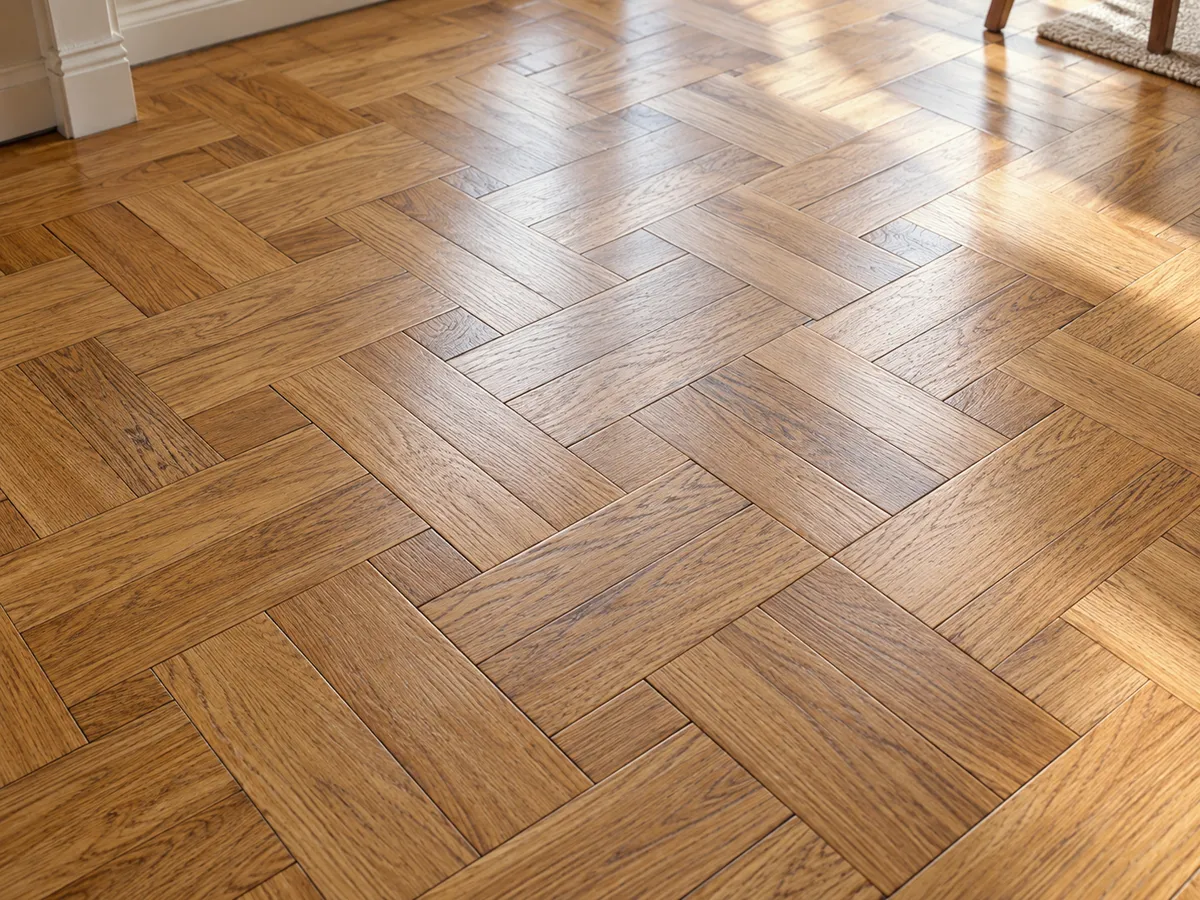 Floor restoration
Prewar parquet and oak uncovered and brought back.
See floor restoration
Floor restoration
Prewar parquet and oak uncovered and brought back.
See floor restoration
-
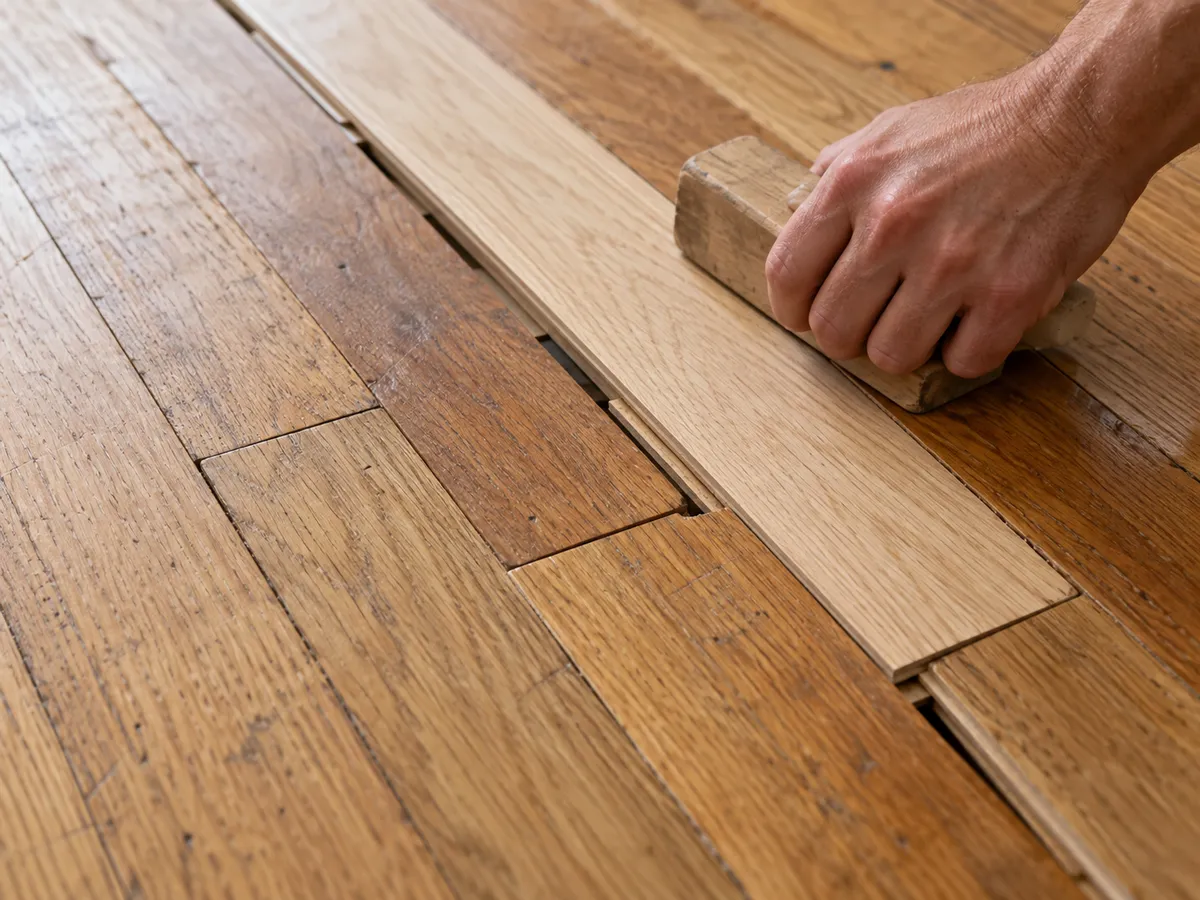 Wood floor repair
Leak damage, gaps and loose boards repaired to match.
See wood floor repair
Wood floor repair
Leak damage, gaps and loose boards repaired to match.
See wood floor repair
Bronx buildings
Buildings, boards and the people below
In a Bronx co-op, the board or managing agent usually needs to hear about a floor job before it starts, and many ask for an alteration agreement and the contractor's certificate of insurance. Work has to happen inside the city's construction hours of 7 a.m. to 6 p.m. on weekdays, and many buildings set shorter ones.
Many co-op and rental leases also ask for most of each room to be covered with carpet or rugs, often 80 percent. It is a building rule rather than a law, and your lease or house rules say what applies to you.
In a two-family house, the people below may be your tenants or your family. We plan the padding and underlayment to keep footsteps from carrying, and the noisy part of the job to suit them.
City construction hours on weekdays
For every floor we lay
Boroughs we work in
Floor services, one call
Not sure what is under your floor? We will look.
Call or send the room size and a few photos, and we will tell you what the job involves.
Choose by building
What suits your Bronx home?
The kind of building shapes the floor. Start there.
Prewar apartment
Parquet under the linoleum
Prewar Bronx apartments often hide parquet or oak under later flooring. If it is sound, restoring it can beat replacing it, and carpet in the bedrooms keeps the covering rule and the neighbors happy.
Two-family house
A floor above someone's ceiling
The upstairs floors carry sound to the unit below. Carpet over a dense pad is the quietest, and vinyl plank or laminate over an acoustic underlayment keep kitchens and living rooms easy to clean.
Co-op or large complex
Rules on paperwork and covering
Large Bronx co-ops and complexes have their own rules on paperwork, hours and floor covering. Carpet meets a covering clause outright, and we choose hard floors and underlayments the building will accept.
Detached house near the water
Basements and ground floors
In Throggs Neck, Pelham Bay and City Island, houses near the water need basements and ground floors that can handle damp. Vinyl plank and tile do. Carpet belongs upstairs.
How it works
How a Bronx floor job goes
Call or send photos
Tell us the rooms, roughly how big they are and what is on the floor now.
We check the base
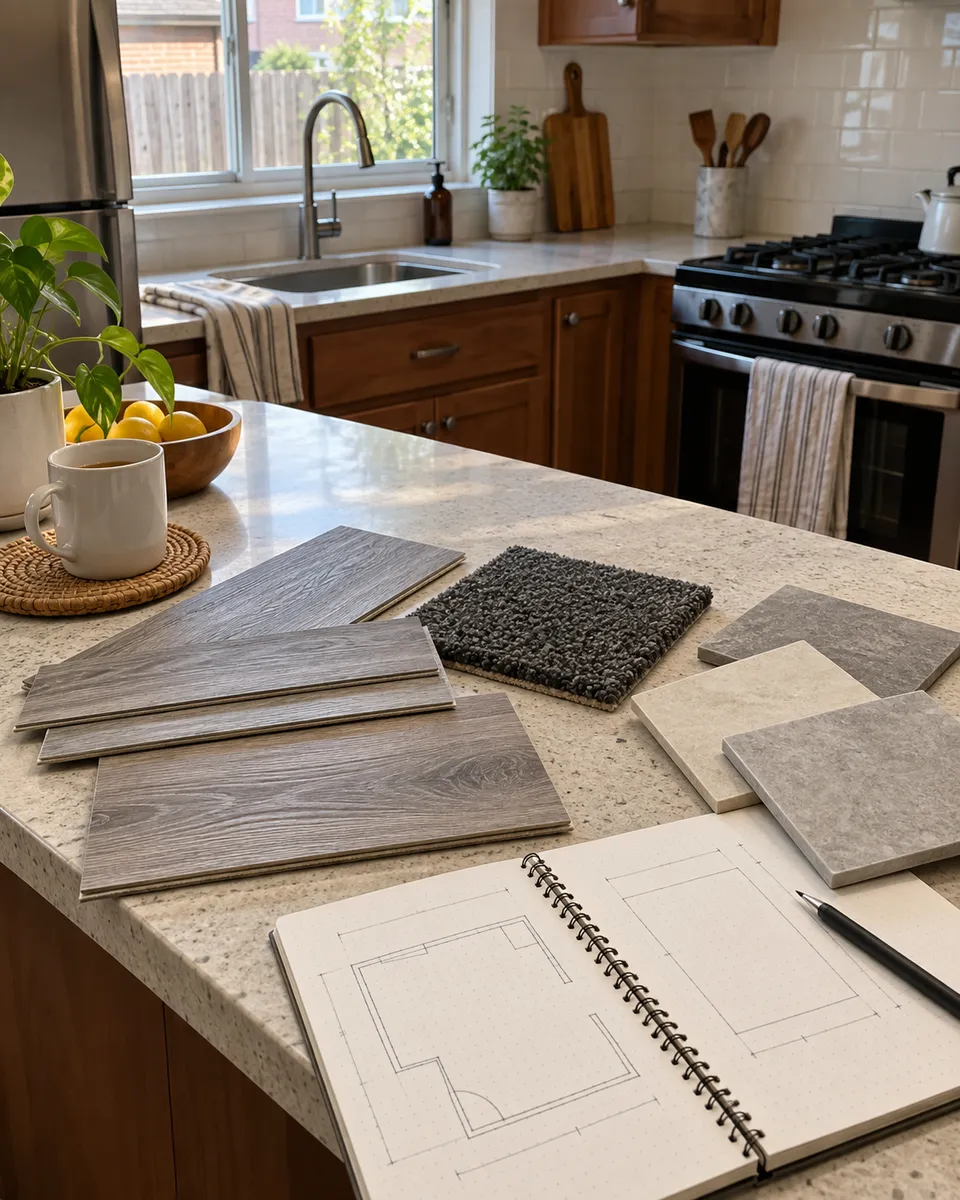
We measure and look under the old floor, because that decides the method and the price.
Estimate and date
You get one estimate for everything and a start date that suits you and your building.
Installed and cleaned up
We lay the floor, fit the thresholds and clean up before we go.
Across the Bronx
Floors in every part of the Bronx
The Bronx runs from prewar apartment boulevards to quiet streets of houses by the water.
-
01
Wakefield, Williamsbridge and Edenwald
Two-family and detached houses in the northeast Bronx, near our Byron Avenue location.
-
02
Grand Concourse and Mount Eden
Prewar Art Deco apartment buildings with parquet and oak under later floors.
-
03
Riverdale and Spuyten Duyvil
Co-op towers and large houses, with board rules and quiet-floor requirements.
-
04
Throggs Neck, Pelham Bay and City Island
Detached houses near the water, where basements need a floor that handles damp.
-
05
Parkchester, Morris Park and Pelham Parkway
Apartment complexes, co-ops and row houses with their own mix of floors.
Beyond the Bronx
Plankora in the other boroughs
The Bronx is where this site works. Plankora Flooring covers the rest of New York City too.
-
01
Bronx
Every Bronx neighborhood, from Mott Haven to Wakefield, served from this site.
-
02
Manhattan
Co-ops and condos with alteration agreements and tight hours.
-
03
Brooklyn
Brownstones, two-family houses and new condos.
-
04
Queens
Attached houses, basements and co-op complexes.
-
05
Staten Island
Detached houses with stairs and finished basements.
Questions
Bronx floor questions
How much does a new floor cost in the Bronx?
It depends on the floor, the size of the rooms and, in an older Bronx building, mostly on what is underneath. Old layers, a settled base and stairs all change the job. We look first and then give you one estimate for all of it.
I found parquet under my old floor. Should I keep it?
Often, yes. If the parquet is solid and has enough wood left to sand, restoring it usually costs less than a new floor and keeps the character of the apartment. If it is loose or badly damaged, a new floor over a leveled base is the better choice.
Does my Bronx co-op need paperwork for new floors?
Many do. Boards and managing agents often ask for an alteration agreement and the contractor's insurance certificate, and set the hours for work. Ask your managing agent and we will handle our part.
How do I keep my new floor quiet for the apartment below?
Use carpet over a dense pad in bedrooms, and an acoustic underlayment under any hard floor. Some buildings specify the underlayment, so check your house rules before you choose.